







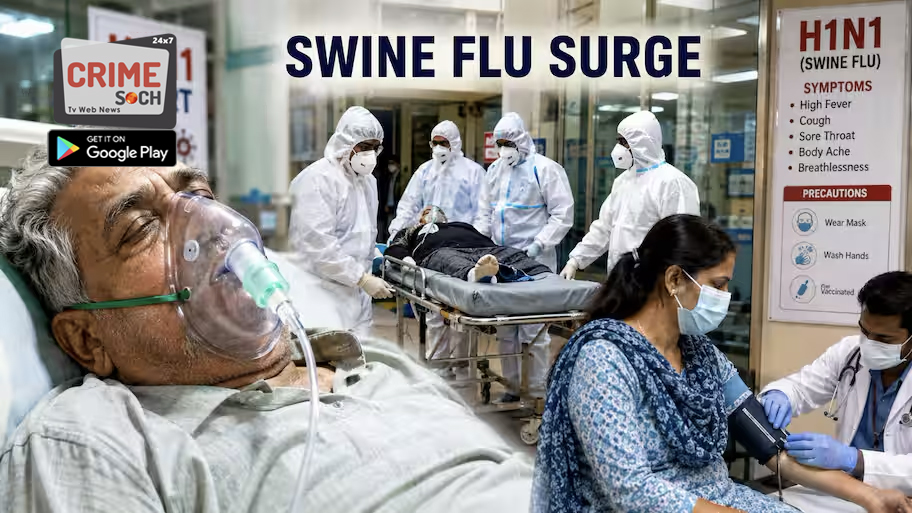
There were 1,777 cases of Influenza A H1N1 registered in the Delhi-NCR region, indicating an unprecedented eightfold jump from 229 cases reported during the same time last year. Swine flu cases are being linked to persistent humidity and unstable weather conditions, usually experienced during the mid-monsoon period.
Patients are showing unusual symptoms and critical drop in oxygen level
Physicians at various hospitals are observing cases of H1N1 swine flu infections along with symptoms of high fever, sore throat, muscle pain, and stomach trouble such as diarrhea.
Many of the patients are showing unusual breathlessness, requiring supplemental oxygen, and belong to vulnerable categories such as seniors and adults having any underlying condition of lung or heart.
Symptoms profile: Major symptoms are sudden fever, dry cough, shivering, muscle aches, and gastrointestinal symptoms.
Warning signals: Emergency help is advised immediately when the patient starts feeling any of the following symptoms – chest pressure, breathlessness, bluish lips, or confusion.
High-risk populations: Vulnerable population groups include immunocompromised people, expectant mothers, older age group patients, and those suffering from COPD or asthma.
Union Health Ministry meets; no shortage of hospital beds found
Delhi Health Minister Pankaj Kumar Singh and other officials had attended the meeting with Union Health Minister JP Nadda.
The center had analysed capacity for laboratory tests, IDSP for disease surveillance, and availability of oxygenated ICU beds in municipal and government hospitals.
Surveillance directions: Hospitals have been directed to follow strict surveillance of Influenza-Like Illness (ILI) and Severe Acute Respiratory Infection (SARI).
Readiness infrastructure: Delhi health authorities had assured that enough beds, ventilators, and oxygen are available, hence no reason for public panic.
Availability of antiviral medications: Doctors have suggested that patients should be given prescribed antivirals like Oseltamivir for moderate to severe patients.
Public health organisations have advised people to follow mask wearing in congested indoor places, proper hand hygiene, and getting vaccinated seasonally with influenza vaccination.